
Why Agricultural Dredging Matters for New York Farms
Agriculture in New York depends heavily on effective water movement. Across the state, farms rely on drainage ditches, farm ponds, creeks, and runoff channels to protect crops and soil. When these systems fail, the results are immediate and costly. Fields remain saturated, planting windows shrink, and soil structure degrades.
New York’s agricultural landscape is diverse. Dairy farms dominate many Upstate regions. Western New York supports large-scale crop farms. The Finger Lakes region is known for vineyards and orchards. Mixed-use agricultural operations are common throughout the Hudson Valley and Long Island. Despite these differences, every farm relies on functional waterways.
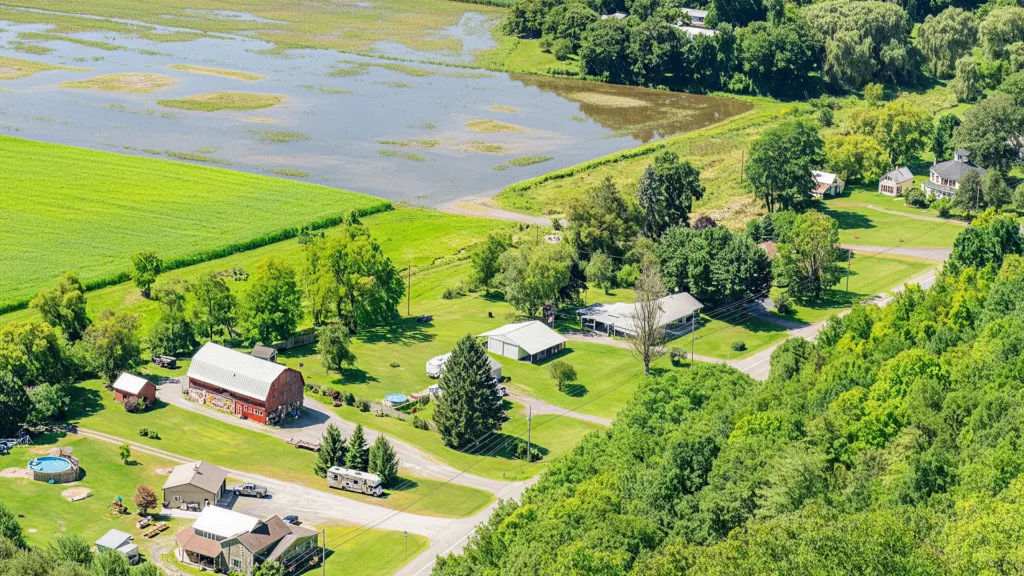
In recent years, water management challenges have intensified. Sediment buildup in ditches, clogged channels, and stagnant ponds has become a common problem. Heavy rainfall events, rapid snowmelt, and seasonal flooding push sediment into farm waterways faster than natural processes can remove it. Without intervention, drainage systems lose capacity year after year.
This is why agricultural dredging in New York has become a critical part of long-term farm planning. Professional dredging restores flow, improves drainage efficiency, and protects farmland from water-related losses. It also supports soil health, improves access to fields, and helps farms remain compliant with state and local environmental requirements.
This article explains how agricultural waterway dredging supports farm productivity across New York. It also shows why working with a trusted local contractor like New York Dredge Services makes a measurable difference for agricultural operations across the state.
Understanding Agricultural Waterway Challenges in New York
Common Farm Waterways That Require Dredging
Every farm manages water differently, but most rely on similar infrastructure. Agricultural drainage ditches are the backbone of surface water control. These ditches move excess rainfall away from fields and prevent saturation.
Irrigation canals and farm ponds store and distribute water during dry periods, but they also collect sediment over time. Creeks, streams, and runoff channels often cross agricultural land and act as natural drainage paths. Retention basins and sediment ponds are designed to slow runoff and capture soil before it leaves the property.
Without routine maintenance, all of these waterways gradually lose effectiveness. Sediment accumulation narrows channels and reduces depth. Vegetation growth slows water movement. Over time, even well-designed systems fail to perform.
This is where agricultural waterway dredging becomes essential to restore capacity and function.
Region-Specific Challenges Across New York
Waterway challenges vary by region. Upstate New York experiences heavy rainfall and rapid snowmelt, which carry sediment into drainage systems. Steep slopes increase erosion, especially in fields with exposed soil.
Western New York farms often struggle with flat terrain. Water moves slowly, and even minor blockages cause pooling. In the Finger Lakes region, erosion and nutrient loading affect both farm productivity and downstream water quality.
Hudson Valley and Long Island farms face pressure on land use and strict regulatory oversight. Drainage systems must balance agricultural needs with environmental protection.
Across all regions, New York agricultural dredging helps adapt farm waterways to local conditions.

Impacts of Poor Waterway Maintenance
Neglected waterways create a chain reaction of problems. Poor drainage leads to waterlogged fields, delaying planting and harvesting. Crops suffer from oxygen-starved roots and increased disease pressure.
Erosion accelerates, stripping topsoil and nutrients. Farm roads and access points deteriorate. In severe cases, flooding damages infrastructure and neighboring properties.
Preventive farm drainage dredging solutions address these issues before they escalate.
What Is Agricultural Waterway Dredging?
Definition and Scope
Agricultural waterway dredging focuses on restoring flow within farm-specific channels. Unlike marine dredging or large infrastructure projects, this work is precise and land-focused.
The goal is to remove accumulated sediment, reshape channels, and optimize flow without disrupting surrounding farmland. Proper dredging restores original design capacity or improves it to handle modern conditions.
Typical Materials Removed
Common materials removed during agricultural waterway dredging include silt, clay, fine sediments, and organic matter. Root mats and aquatic weeds often narrow channels and restrict flow.
Nutrient-laden sludge builds up in ponds and basins. Removing these materials improves water quality and system performance.
When Dredging Becomes Necessary
Warning signs are easy to spot. Standing water remains long after rainfall. Drainage slows even when outlets appear clear. Channels become overgrown or shallow.
At this point, New York agricultural dredging is no longer optional. It becomes a necessary investment.
Key Benefits of Farm Drainage Dredging Solutions
Effective water management directly impacts farm productivity, soil quality, and operational reliability. When drainage systems perform as designed, fields recover faster after rainfall, equipment access improves, and crops develop under more stable conditions. This is why professionally executed farm drainage dredging solutions play such a central role in modern agriculture across New York.
Improved Field Drainage and Soil Health
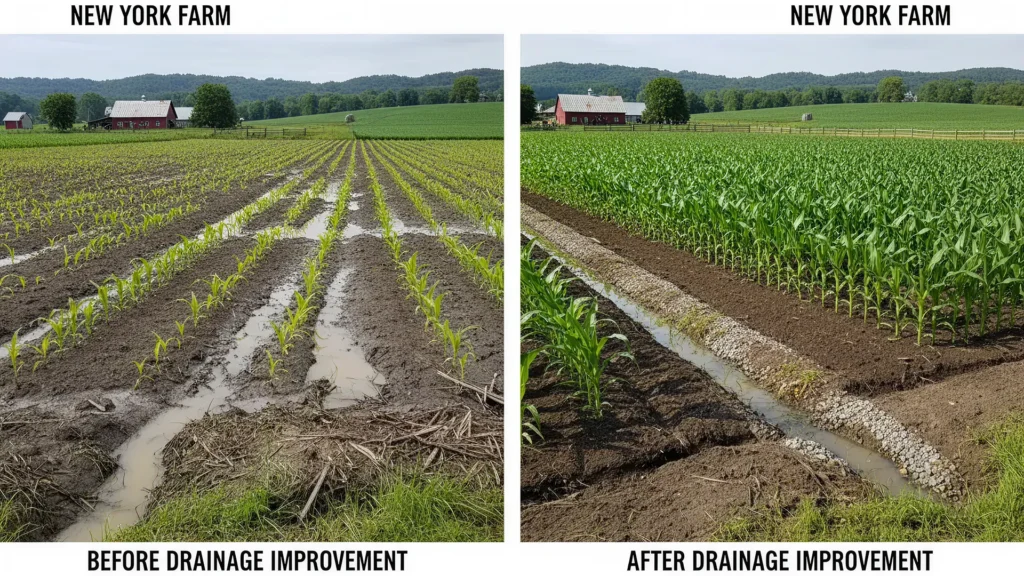
Excess water is one of the most damaging conditions for agricultural soils. Saturated ground leads to compaction, root stress, and reduced microbial activity. Restoring drainage by dredging agricultural waterways allows water to exit fields efficiently, protecting soil structure and improving aeration.
Healthier soils support deeper root growth and better nutrient uptake. Over time, farms that invest in New York agricultural dredging often see improved soil consistency and fewer problem areas within fields.
Increased Crop Yields and Farm Efficiency
Consistent drainage allows farmers to access fields earlier in the season and reduces delays during planting and harvest. Crops experience less moisture stress, resulting in stronger growth and more predictable yields.
By reducing downtime and minimizing weather-related disruptions, farm drainage dredging solutions improve overall farm efficiency and help stabilize production year after year.
Flood Prevention and Water Control
Well-maintained waterways increase the capacity to manage heavy rainfall and snowmelt. Dredged channels safely convey water through the farm rather than across productive land.
This level of control protects downstream fields, farm roads, and neighboring properties. In flood-prone regions, New York agricultural dredging serves as a proactive defense against costly damage.
Environmental and Regulatory Benefits
Improved drainage reduces erosion and nutrient runoff. By keeping sediment on the farm and out of surrounding waterways, agricultural waterway dredging supports environmental stewardship and aligns with conservation best practices.
Dredging Methods Used in New York Agricultural Projects
Choosing the correct dredging method is critical for success. Agricultural projects require precision, flexibility, and minimal land disturbance. New York farms benefit from methods tailored specifically to shallow and narrow waterways.
Hydraulic Dredging for Agricultural Waterways
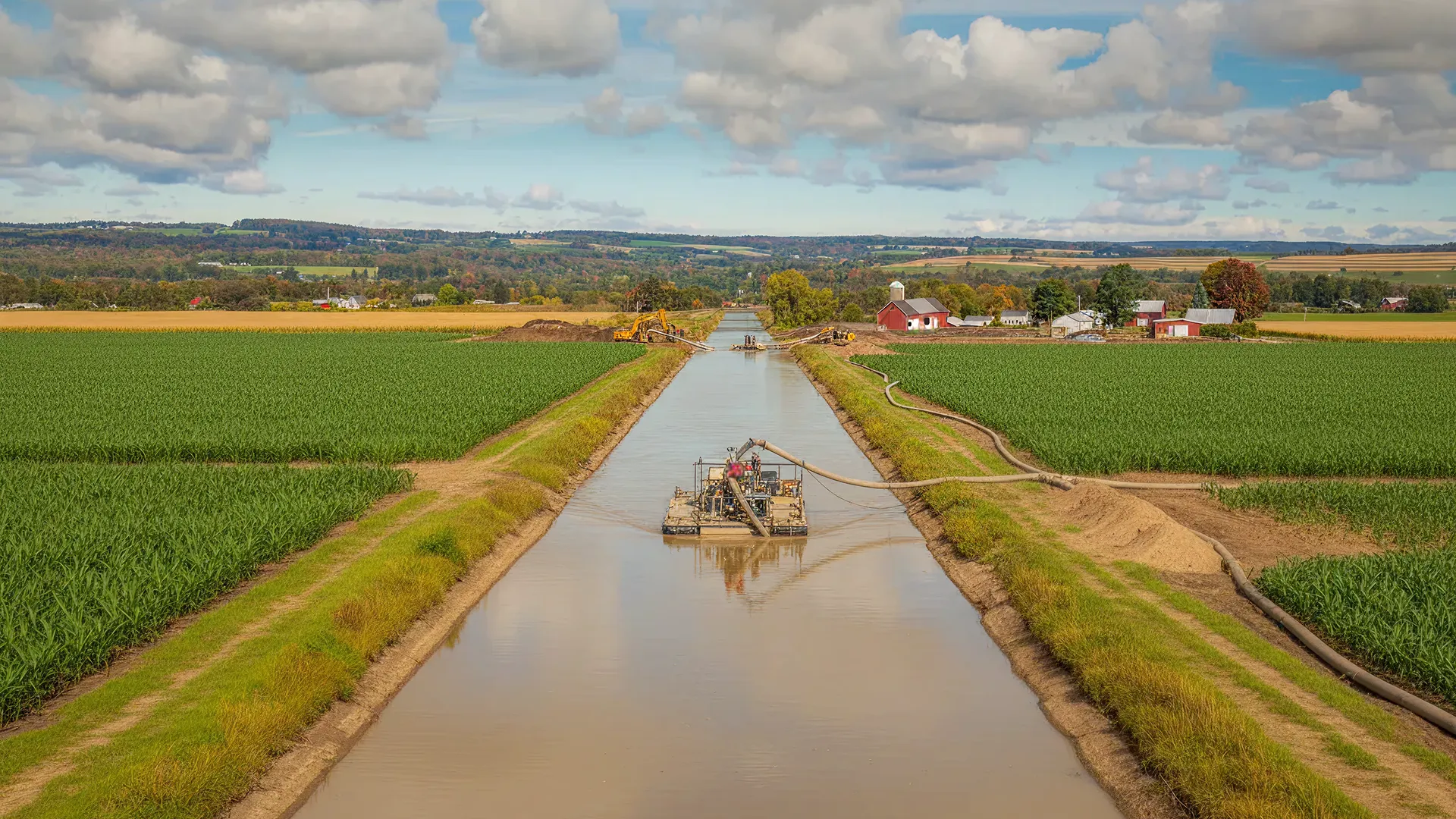
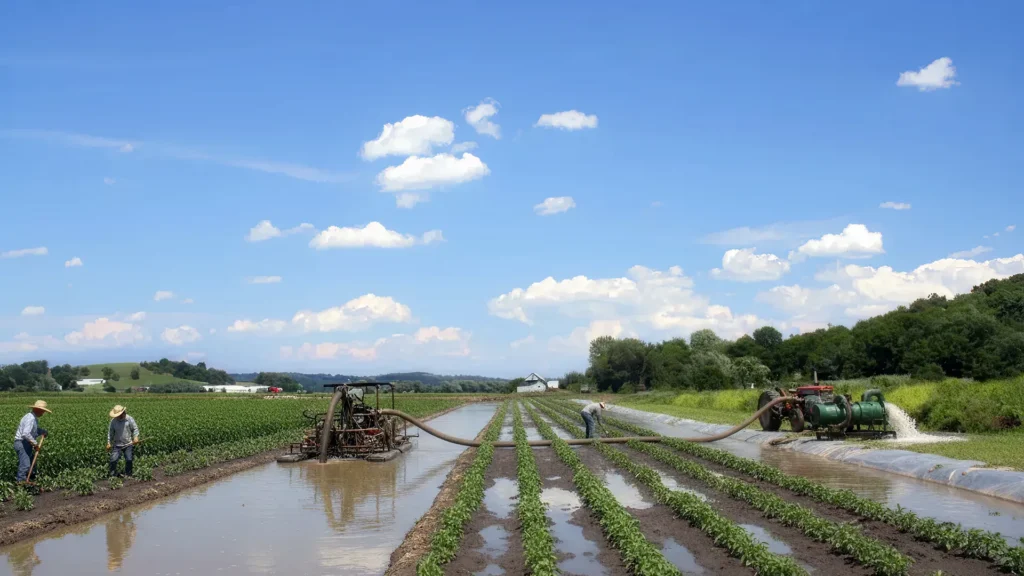
Hydraulic dredging is commonly used where fine sediment accumulates over long distances. This method removes material efficiently while keeping equipment off sensitive farmland.
For many agricultural waterway dredging projects, hydraulic dredging offers a balance between efficiency and environmental protection.
Mechanical Dredging for Farm Drainage
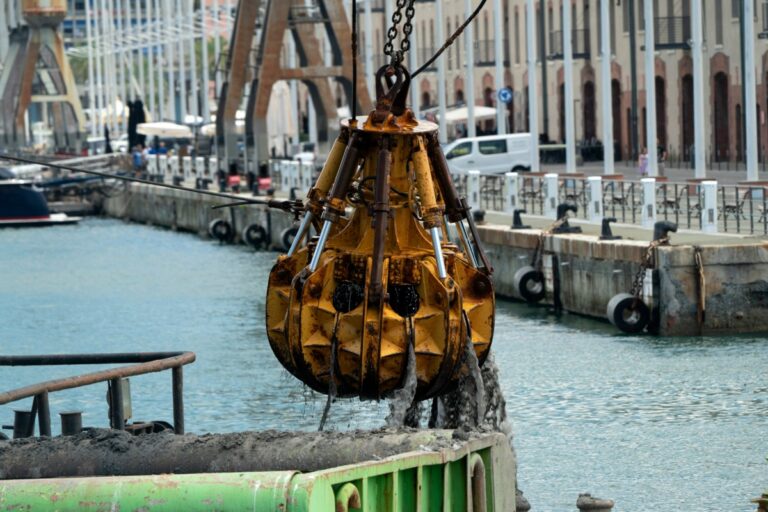
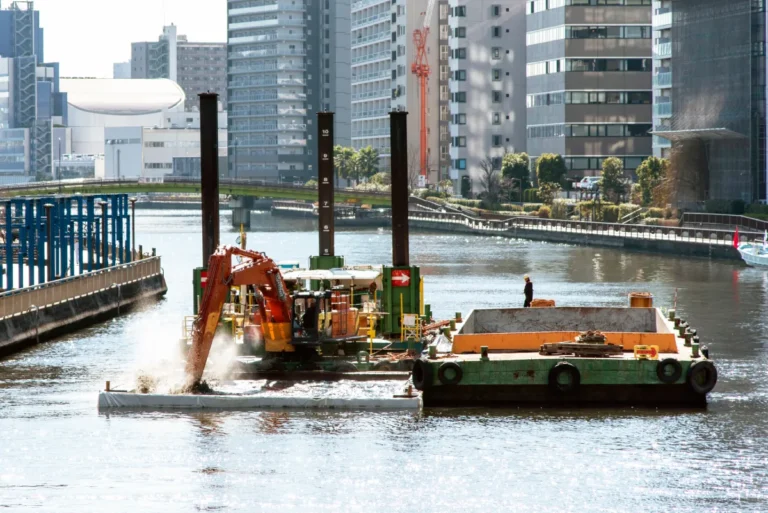
Mechanical dredging is well suited for compacted sediment, debris, and targeted problem areas. Excavator-based approaches allow precise removal and reshaping of channels.
This method is frequently used in combination with other farm drainage dredging solutions to address specific trouble spots.
Choosing the Right Method for Farm Conditions
Soil type, water depth, access points, and material reuse options all influence method selection. Experienced contractors evaluate these factors to ensure New York agricultural dredging projects deliver lasting results.
Farm Drainage Dredging Solutions Tailored to New York
Agricultural drainage systems must reflect local conditions. Climate, soil composition, and land use patterns vary across the state, requiring customized approaches rather than standard designs.
Custom Dredging Plans for Agricultural Properties
Each farm requires a detailed site assessment. Flow patterns, sediment sources, and elevation changes are evaluated to develop targeted farm drainage dredging solutions.
Custom plans ensure waterways function efficiently under real-world conditions rather than ideal assumptions.
Sediment Management and Material Reuse
Dredged sediment is often reused on-site for field leveling, berm construction, or erosion control. This approach reduces hauling costs and improves land usability.
Responsible sediment handling is a core component of modern agricultural waterway dredging.
Seasonal Timing for Agricultural Dredging
Timing is coordinated around planting and harvest cycles. Cold-weather and wet-season considerations are factored into scheduling to minimize disruption and maximize efficiency.
Permitting and Environmental Considerations in New York
Agricultural dredging projects must navigate regulatory frameworks designed to protect water quality and ecosystems. Proper planning ensures compliance without unnecessary delays.
Regulatory Overview for Agricultural Dredging: Permitting requirements depend on location, waterway classification, and project scope. State and local agencies may be involved depending on the site. Understanding these requirements is essential for New York agricultural dredging projects.
Navigating Compliance Without Delaying Farm Operations: Experienced contractors streamline the permitting process and identify applicable agricultural exemptions. This approach keeps projects on schedule while maintaining compliance.
Protecting Ecosystems While Improving Farm Drainage: Erosion control measures, sediment containment, and flow preservation are integrated into responsible agricultural waterway dredging practices.
Applications of New York Agricultural Dredging Across Farm Types
Different farm operations face unique water management challenges. Dredging solutions must align with operational needs and production goals.
Dairy and Livestock Farms
Drainage improvements reduce standing water near barns, feeding areas, and access roads. This lowers maintenance costs and improves animal health.
Crop and Row Farms
Effective drainage supports consistent planting schedules and reduces crop loss from saturated soils. Farm drainage dredging solutions help maintain uniform field conditions.
Orchards and Vineyards
Precision drainage protects shallow root systems and supports long-term productivity in perennial crops.
Why Choose New York Dredge Services for Agricultural Projects
Selecting the right contractor is as important as the dredging itself. Experience, equipment, and approach determine long-term success.
Experience in New York Agricultural Dredging
New York Dredge Services brings extensive knowledge of local soils, waterways, and regulations. Their proven work in New York agricultural dredging ensures reliable outcomes.
Specialized Equipment for Agricultural Waterway Dredging
Equipment is selected for shallow depths, narrow channels, and sensitive environments. Mobilization is efficient, and land disturbance is minimized.
Farmer-Focused Project Approach
Projects are planned around farm operations. Communication is clear, timelines are realistic, and recommendations are practical.
Long-Term Maintenance Strategies for Farm Waterways
Dredging is most effective when paired with ongoing maintenance. Routine inspections identify sediment buildup before it becomes a major issue.
Preventive agricultural waterway dredging maintains system capacity and reduces emergency repairs. Integrating maintenance into farm planning protects land value and productivity.
Cost Considerations and ROI for Agricultural Dredging
Costs vary based on sediment volume, access conditions, and disposal methods. While dredging represents an upfront investment, long-term benefits often outweigh initial expenses.
Improved yields, reduced downtime, and fewer weather-related losses provide strong returns through New York agricultural dredging and well-designed farm drainage dredging solutions.
Investing in Sustainable Water Management for New York Farms
Waterway performance directly affects farm resilience. Agricultural waterway dredging restores drainage systems, protects soil health, and supports consistent production.Across diverse farm types and regions, New York agricultural dredging remains a foundational tool for sustainable agriculture. Partnering with experienced professionals ensures waterways function as long-term assets rather than ongoing liabilities.