
Industrial lagoon sediment removal plays a crucial role in maintaining the efficiency, compliance, and longevity of wastewater treatment systems. Over time, sediment buildup can restrict capacity, reduce treatment performance, and increase operational costs. By adopting advanced dredging methods, smart planning, and sustainable reuse strategies, industries can minimize maintenance downtime while achieving measurable cost savings. Efficient sediment management not only enhances productivity but also aligns with environmental responsibility and long-term asset preservation.
Understanding Sediment Accumulation in Industrial Lagoons
Sediment buildup in industrial lagoons is a gradual but inevitable process that directly impacts system efficiency and maintenance costs. Over time, solids from wastewater, process discharge, and chemical reactions settle at the bottom, forming dense sludge layers that restrict the lagoon’s effective storage and treatment capacity. This accumulation not only limits the volume available for new inflows but also interferes with biological treatment, oxygen transfer, and overall water circulation.
Key Causes of Sediment Buildup
- Process discharge: Industrial operations release suspended solids, metal fines, and residual process fluids that settle as sludge.
- Sludge deposition: Organic and inorganic matter from continuous treatment cycles forms compact layers over time.
- Organic material accumulation: Decaying biological waste, algae, and silt contribute to clogging and uneven flow distribution.
- Inflow of stormwater or surface runoff: External water sources introduce additional silt, debris, and sediment from nearby areas.
Operational Impacts of Excess Sediment
When sediment levels rise beyond design limits, several operational challenges emerge:
- Reduced lagoon depth lowers retention time, decreasing treatment efficiency.
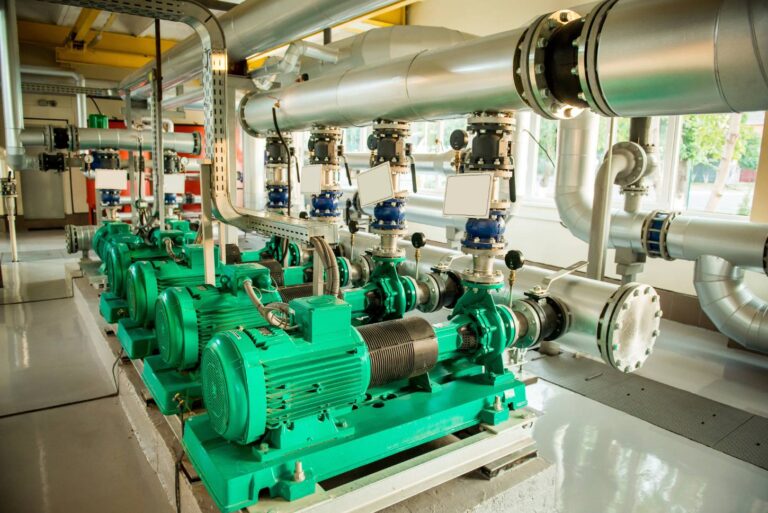
- Pumping systems must work harder to move sludge-heavy water, leading to increased energy consumption.
- Clogged pipes and aeration equipment require frequent maintenance, driving up operational costs.
- Excessive buildup risks overflow events or environmental non-compliance if effluent quality drops below standards.
Lagoon vs. Pond Sediment Removal: Key Distinctions
While industrial lagoon sediment removal and industrial pond sediment removal share similar principles, their applications differ in scale and complexity.
- Industrial lagoons are typically larger and handle continuous inflow from manufacturing or treatment processes, demanding specialized dredging systems capable of handling high sludge volumes.
- Industrial ponds are smaller and often serve as settling or polishing basins, where sediment removal focuses on precision cleaning and minimal disruption to surrounding infrastructure.
- Lagoons often require continuous or staged removal solutions to maintain operations, whereas ponds can be cleaned in discrete phases or during planned shutdowns.
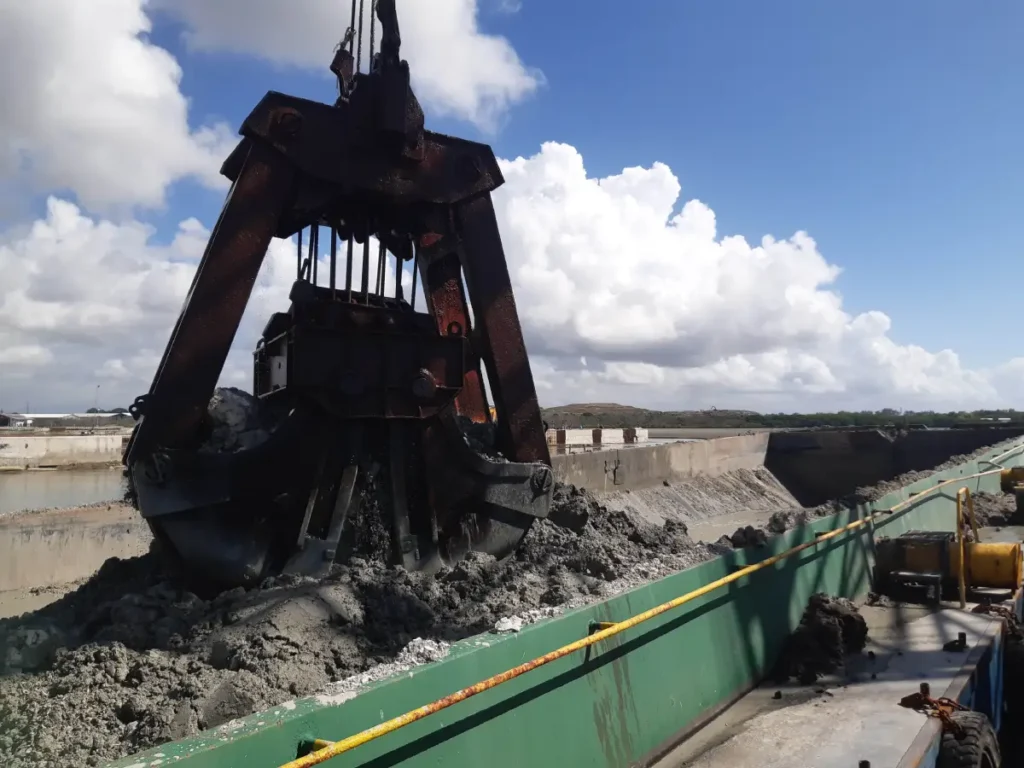
Hidden Costs of Delayed Industrial Lagoon Sediment Removal
Delaying industrial lagoon sediment removal may seem like a short-term cost-saving measure, but it often results in greater long-term expenses. As sediment accumulates, the lagoon loses its effective volume and treatment capacity, leading to more frequent cleanouts, downtime, and increased regulatory risks. These hidden costs can quickly escalate and disrupt both operational and financial efficiency.
Reduced Lagoon Volume and Capacity Loss
When sludge layers thicken, they reduce the available space for wastewater treatment. This diminished volume can trigger overflow events or necessitate premature maintenance shutdowns. Each shutdown not only halts production but also increases labor and equipment costs associated with reactivation and rebalancing treatment systems.
Rising Energy Consumption and Equipment Strain
Sediment-heavy lagoons require higher pumping power to move viscous sludge through pipelines and treatment systems. Over time, this results in:
- Greater energy use and inflated utility bills
- Increased wear on pumps, aerators, and agitators
- More frequent repairs or equipment replacement cycles
As efficiency drops, operational costs rise significantly, eroding any perceived savings from deferred maintenance.
Environmental and Compliance Risks
Ignoring sediment accumulation can lead to discharge quality issues and declining treatment efficiency. Non-compliance with environmental standards may result in penalties, legal action, and reputational damage. Furthermore, accidental overflows or leaks can cause contamination that demands costly remediation.
Financial Impact of Neglecting Lagoon Sediment Management
| Cost Factor | Short-Term Perception | Long-Term Financial Impact |
| Maintenance Deferral | Saves immediate expenses | Leads to emergency shutdowns and higher repair costs |
| Reduced Treatment Efficiency | Minimal visible effect initially | Increases energy usage and treatment chemical demand |
| Equipment Overload | Deferred equipment upgrades | Shortens equipment lifespan and raises replacement cost |
| Regulatory Non-Compliance | Managed through temporary fixes | Results in fines, permit revocation, and environmental liability |
| Overflow and Contamination | Rare and manageable | Causes major cleanup costs and public reputation loss |
Delaying industrial pond sediment removal from industrial ponds not only affects lagoon performance but also undermines the cost-efficiency of the entire industrial wastewater management system. Timely industrial lagoon sediment removal ensures predictable operating costs, extended equipment life, and continued regulatory compliance, laying the groundwork for sustainable cost control in subsequent operational phases.
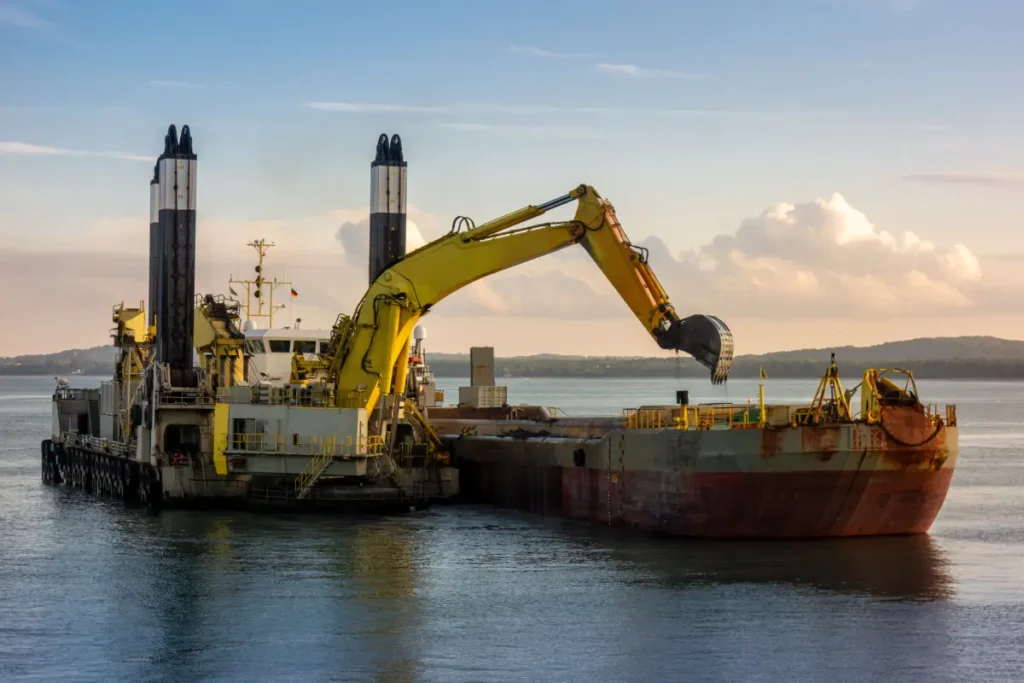
Modern Industrial Lagoon Sediment Removal Technologies and Their Economic Benefits
Advanced dredging and pumping systems for lagoon and pond cleaning
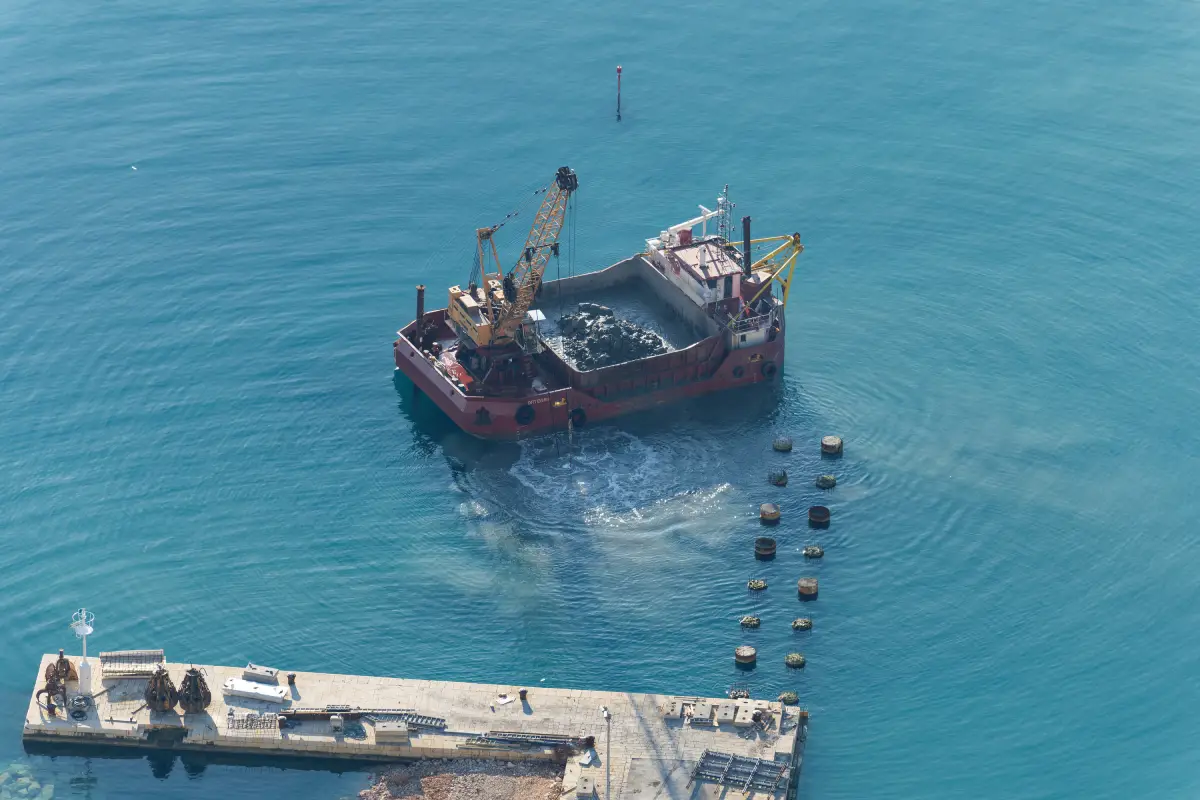
Industrial lagoon sediment removal now utilises a range of specialised technologies tailored to sludge-laden basins. One key method is hydraulic dredging, which employs a floating suction unit to extract sediment as a slurry and transport it away via pipeline. This method allows industrial lagoon sediment removal without completely draining the lagoon, preserving treatment operations.
Other technologies include remote-operated cutter-head dredges, precision GPS-guided equipment, and smart pump systems designed for varied sediment densities and access constraints.
By selecting the right combination of dredging and pumping systems, operators of industrial lagoons and ponds can significantly reduce downtime, labour effort, and operational disruptions.

How non-invasive and continuous removal methods reduce downtime and the workforce
Using non-invasive methods, such as continuous suction dredging, means that industrial lagoon sediment removal can be performed while the lagoon remains partially in service. This approach avoids full shutdowns and the productivity losses associated with draining, cleaning, and refilling a basin.
In addition, automation, remote operation, and real-time monitoring reduce workforce requirements and enhance safety. For example, IoT sensors and AI-driven dredge control systems enable predictive scheduling and less manual intervention. The cost-benefit comes from fewer shutdown days, lower labour costs, lower re-startup expenses, and improved system reliability.
Benefits of portable dredging units and remote-operated systems for confined lagoons
For smaller or confined industrial ponds or lagoons with limited access, portable dredging units offer major advantages. These machines are lighter, quicker to deploy, and can reach areas traditional heavy equipment cannot.
Remote-operated systems further allow industrial pond sediment removal in hazardous or restricted zones without placing operators directly in the basin. This reduces risk, downtime, and often logistical cost (mobilisation, safety infrastructure).
Together, these modern solutions transform industrial lagoon sediment removal from a labour-intensive, high-disruption event into a more predictable, lower-cost maintenance activity.
Comparison Table: Traditional Excavation vs Modern Sediment Removal Equipment
| Feature | Traditional Excavation (Remove Sediment via Draining, Shovels, Heavy Equipment) | Modern Sediment Removal Equipment (Hydraulic Suction, Portable Dredges, Remote-Operated Systems) |
| Setup time | High – lagoon drained or partly dewatered, heavy mobilisation | Moderate – equipment deployed while the basin may remain in service |
| Cost | High labour + high downtime + disposal cost of large volumes | Lower downtime, less labour, optimised disposal or dewatering |
| Downtime required | Full or major partial shutdown of lagoon operations | Minimal interruption; can often proceed with treatment online |
| Labour intensity | High manual effort, large crew, heavy equipment | Lower crew count, remote or automated operation possible |
| Equipment wear & tear | Heavy equipment in harsh conditions; frequent repair | Purpose-built dredge equipment with better efficiency and fewer frequent breakdowns |
| Disposal logistics | Large volumes of settled sludge, possibly dewatered poorly | Slurry pump-and-pipeline or dewatered bags, better disposal planning, and reuse potential |
Economic benefits of adopting modern equipment
- Reduced the cost of lost production because the lagoon remains functional
- Lower energy and labour expense for mobilisation, dewatering, and disposal
- Enhanced lifecycle of lagoon and treatment assets due to better maintenance
- Improved regulatory compliance and reduced risk of penalty or remediation cost
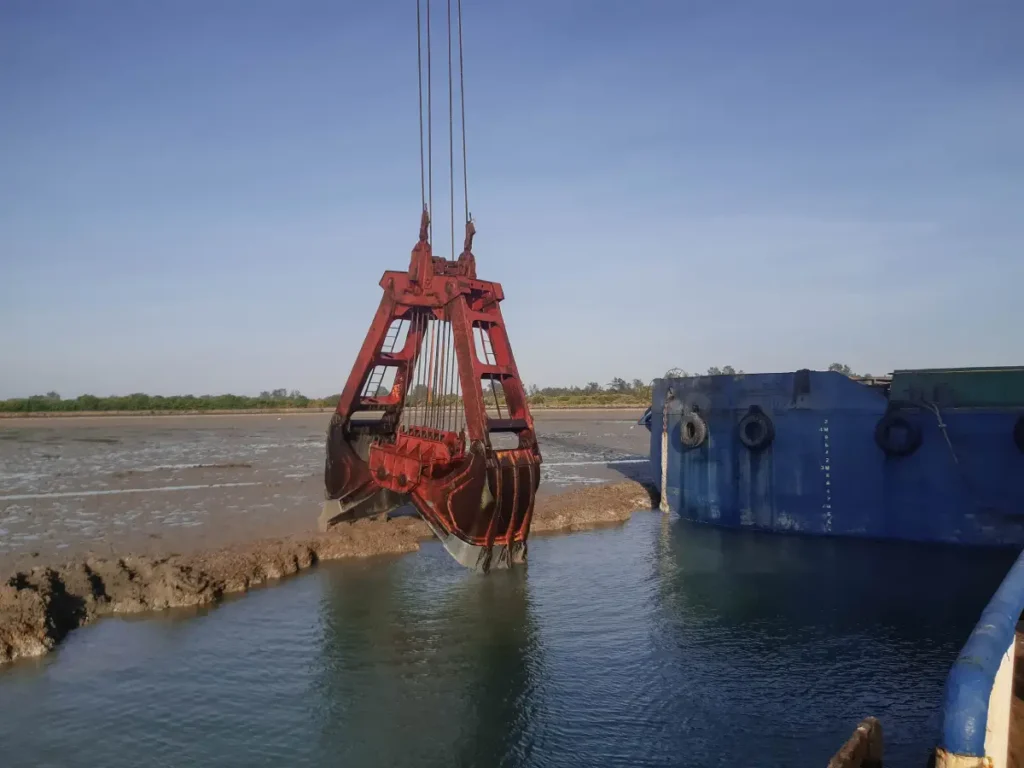
Process Optimization for Cost-Effective Industrial Lagoon Sediment Removal
Effective industrial lagoon sediment removal depends not only on advanced equipment but also on strategic planning and execution. A well-structured removal process reduces redundant work, shortens project timelines, and minimizes operational disruptions—all of which contribute to measurable cost savings.
Steps to Plan and Execute Efficient Sediment Removal
- Assessment and Baseline Survey
Begin with hydrographic mapping and sludge profiling to determine sediment depth, density, and volume. Understanding the lagoon’s bathymetry helps select appropriate dredging methods and predict disposal volumes.
- Pre-Dredging Planning and Equipment Selection
Match dredging equipment to the site’s size, sediment type, and access conditions. Hydraulic or remote-operated systems are ideal for confined lagoons, while cutterhead dredges work best in larger industrial basins with dense sludge.
- Flow and Process Analysis
Analyze flow rates and water circulation to plan removal without disrupting treatment processes. Flow modeling identifies optimal dredging points and ensures even sediment extraction to avoid re-deposition.
- Controlled Dredging Operation
Implement staged industrial pond sediment removal instead of full cleanouts to maintain lagoon functionality. Continuous pumping with controlled discharge minimizes turbulence and prevents sediment resuspension.
- Efficient Dewatering and Material Management
Use geotextile dewatering bags, mechanical presses, or settling tanks to efficiently separate solids from water. Proper handling reduces transportation volume and disposal costs while allowing for potential reuse of dried solids.
- Safe and Compliant Disposal or Reuse
Follow environmental guidelines for sludge classification and disposal. Depending on its composition, dewatered sediment can be reused for land reclamation or as fill material, turning waste management into a value-driven process.
Best Practices for Material Handling, Dewatering, and Disposal
- Establish a containment area near the dredging site to shorten pumping distances.
- Optimize polymer dosing for faster dewatering and cleaner effluent.
- Schedule sediment transport during low-demand hours to avoid congestion or production overlap.
- Conduct quality checks on dewatered material before final disposal or reuse.
Key Factors That Influence Removal Efficiency and Cost Reduction
- Accuracy of pre-dredging surveys and sediment mapping
- Choice of dredging technology suited to site conditions
- Operator skill level and real-time monitoring capability
- Proximity of dewatering and disposal sites
- Frequency of maintenance dredging versus emergency cleanouts
- Coordination between operations, maintenance, and environmental teams
Reuse and Disposal Strategies That Add Value
Industrial lagoon sediment removal doesn’t end with dredging—it extends to how the recovered material is managed. By adopting beneficial reuse strategies, companies can turn waste into a resource while reducing environmental and disposal costs.
Beneficial Reuse of Dewatered Sediment
When properly treated, dewatered sediment can be repurposed in several valuable applications:
- Land application: Nutrient-rich organic material from industrial pond sediment removal can be blended into soil or used in land reclamation.
- Composting and blending: When combined with biosolids or organic waste, dried sediment can improve soil conditioning.
- Fill and construction projects: Clean, inert sediment can serve as structural fill in embankments or for site leveling.
These options reduce reliance on landfills and create tangible byproduct value from routine maintenance activities.
Reducing Disposal Fees Through Optimized Sediment Management
Optimizing handling and dewatering minimizes the weight and volume of material sent for disposal, lowering hauling and tipping fees. Pre-classification of sediment also ensures that only truly non-reusable material is discarded. By segregating reusable sediment early in the process, facilities save significantly on disposal and transportation costs.
Regulatory Considerations for Safe Reuse
Before reuse, sediment must be tested for heavy metals, hydrocarbons, or hazardous compounds to meet regulatory standards. Compliance with local and federal guidelines ensures environmental safety and protects operational integrity. Documentation of test results also strengthens environmental audits and sustainability reporting.
Long-Term Maintenance and Monitoring for Sustained Savings
Sustaining the benefits of sediment removal requires consistent monitoring and proactive maintenance. Industrial lagoons perform best when sediment buildup is managed before it reaches critical levels.
Periodic Sediment Assessment
Regular lagoon inspections and sludge profiling help identify early accumulation trends. Using sonar mapping and sampling techniques allows operators to estimate deposition rates and schedule removal before it impacts treatment performance.
Scheduled Dredging Intervals Based on Load Data
Instead of reactive cleanouts, facilities benefit from planned dredging intervals. Load-based scheduling—using inflow data, sludge density, and production volume—ensures sediment is removed at optimal times, preventing costly shutdowns.
Predictive Monitoring Using Sensors and Data Tools
Modern lagoons employ underwater sensors, ultrasonic probes, and flow meters to monitor sludge levels in real time. These tools feed data into digital dashboards that predict buildup and alert operators before sediment reaches threshold levels.
Preventive Maintenance Measures for Cost Efficiency
- Perform hydrographic surveys annually to track sedimentation rates.
- Integrate automated sludge-level sensors for early warning detection.
- Schedule partial dredging before complete clogging occurs.
- Maintain consistent sludge disposal and dewatering infrastructure.
- Train operators to detect early signs of performance decline.
Proactive sediment management not only extends the life of treatment infrastructure but also stabilizes annual maintenance budgets.
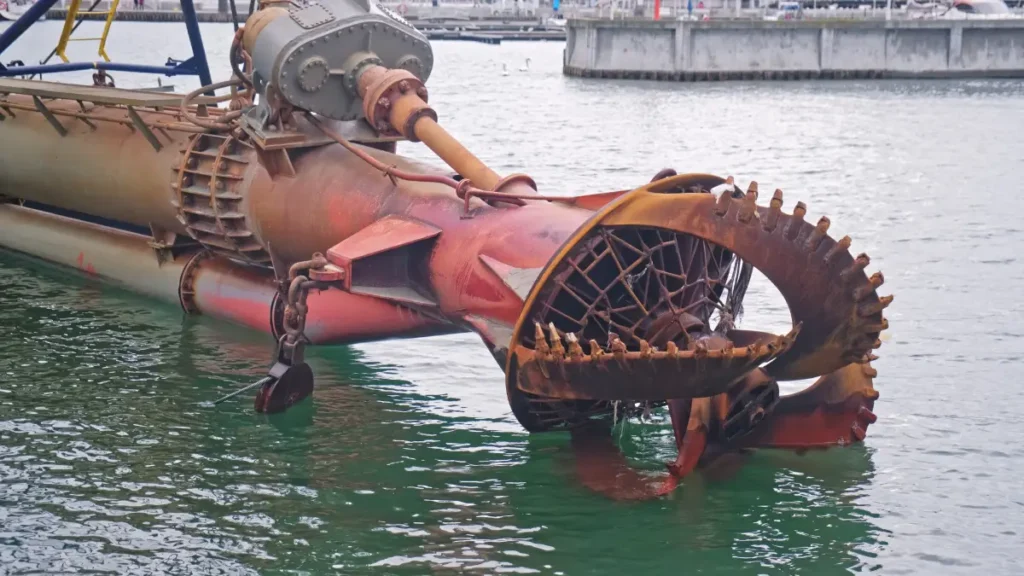
Investing in Efficiency: Balancing Upfront Costs with Long-Term Gains
While modern industrial lagoon sediment removal and automation technologies require initial investment, they yield substantial returns over time by reducing downtime, workforce, and recurring maintenance expenses.
Cost-Benefit Analysis of Efficient Sediment Removal Systems
Upgrading from conventional excavation to automated or hydraulic systems may appear costly upfront, but lifecycle analysis often reveals faster payback. Reduced operational interruptions, fewer labor hours, and energy-efficient pumping quickly offset the capital expense.
Automation and Modular Dredging for Lower Lifecycle Costs
- Automation: Remote-controlled and semi-autonomous dredging units reduce manual intervention, improving safety and precision.
- Modular design: Compact, modular dredging systems can be easily relocated, lowering mobilization and setup costs for multi-site operations.
- Energy efficiency: Variable-speed pumps and optimized slurry flow control minimize power use, further lowering operational expenditure.
KPIs to Track Post-Removal Efficiency
- Sediment volume removed per operating hour
- Reduction in energy consumption per dredging cycle
- Percentage of reusable or recycled sediment material
- Average cost per cubic meter of sediment removed
- Number of unplanned maintenance events per year
Conclusion: Building a Smarter Approach to Lagoon Maintenance
Efficient industrial lagoon sediment removal is more than routine maintenance—it’s a strategic investment that drives lower lifecycle costs, better compliance, and greater operational reliability. Through advanced dredging technologies, optimized dewatering, and proactive maintenance, we at NY Dredge help facilities transform sediment management into a source of measurable savings and sustainability. Partner with us to streamline your lagoon operations and build a cleaner, more cost-efficient future.