
The dredging industry is undergoing a major transformation driven by innovation, environmental regulations, and rising global infrastructure demands. From modular dredge systems and hybrid power technologies to AI-based automation and digital twin integration, dredge manufacturing services have evolved beyond equipment construction, now offering scalable, data-driven, and sustainable solutions. As global ports, mining operations, and coastal authorities seek faster deployment, lower emissions, and higher efficiency, every forward-thinking dredging equipment manufacturer is rethinking how dredgers are designed, powered, assembled, and supported. This shift marks the beginning of a new era where customisation, circular manufacturing, and smart technology define competitiveness in the dredging sector.
Shift to Modular and Customisable Dredging Systems
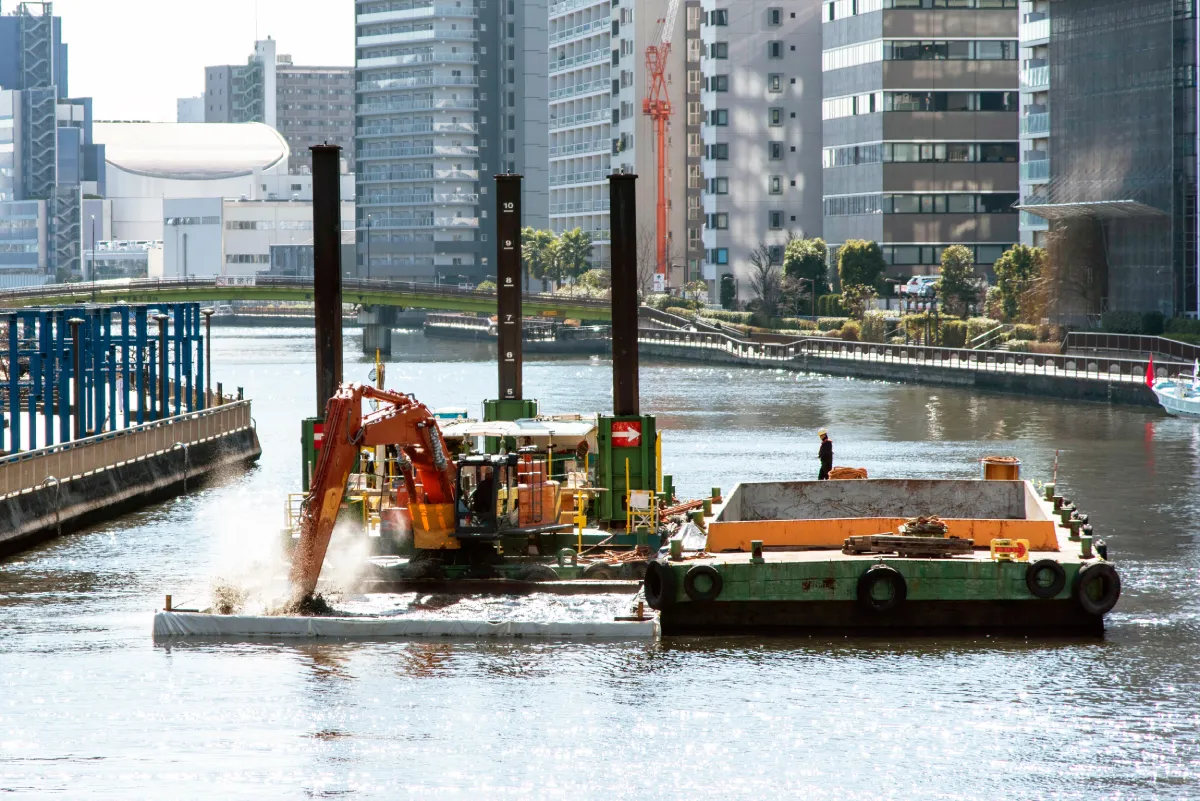
One of the most significant changes in modern dredge manufacturing services is the move from rigid, fixed designs to modular and customisable dredging systems. Traditional dredgers often required lengthy fabrication, complex logistics, and permanent on-site setup. Today, a growing number of dredging equipment manufacturers are engineering modular pontoons, detachable suction ladders, containerised control rooms, and plug-and-play pump units that can be shipped, assembled, and commissioned anywhere in the world with minimal downtime.
Modular systems are transforming global deployments by dramatically reducing transportation costs and customs complications. Components can be containerised in ISO-standard sizes, making them easier to ship by road, sea, or air. Once delivered, they can be rapidly assembled at the project site using basic lifting equipment instead of large shipyards or dry docks. This flexibility is especially valuable for contractors working in remote mining pits, river restoration projects, or temporary coastal defence installations where permanent infrastructure is not feasible.
Customisation is now at the core of dredging manufacturer strategies. Instead of one-size-fits-all machinery, manufacturers are offering scalable systems tailored to project scale, sediment type, and depth requirements. Contractors can choose from interchangeable pump sizes, power options (diesel, hybrid, or electric), discharge line lengths, and automation levels depending on budget and production goals. Smaller contractors benefit from entry-level modular packages, while large marine companies can scale up to full multi-barge modular fleets.
Most importantly, modular dredge manufacturing is future-proofing investments. As project demands evolve, operators can upgrade pumps, add booster stations, integrate automation panels, or convert diesel platforms to hybrid systems without replacing the entire asset. This adaptability not only reduces lifecycle costs but also aligns with the industry’s growing shift towards sustainable, service-based dredging operations.
Electrification and Hybrid Power Systems
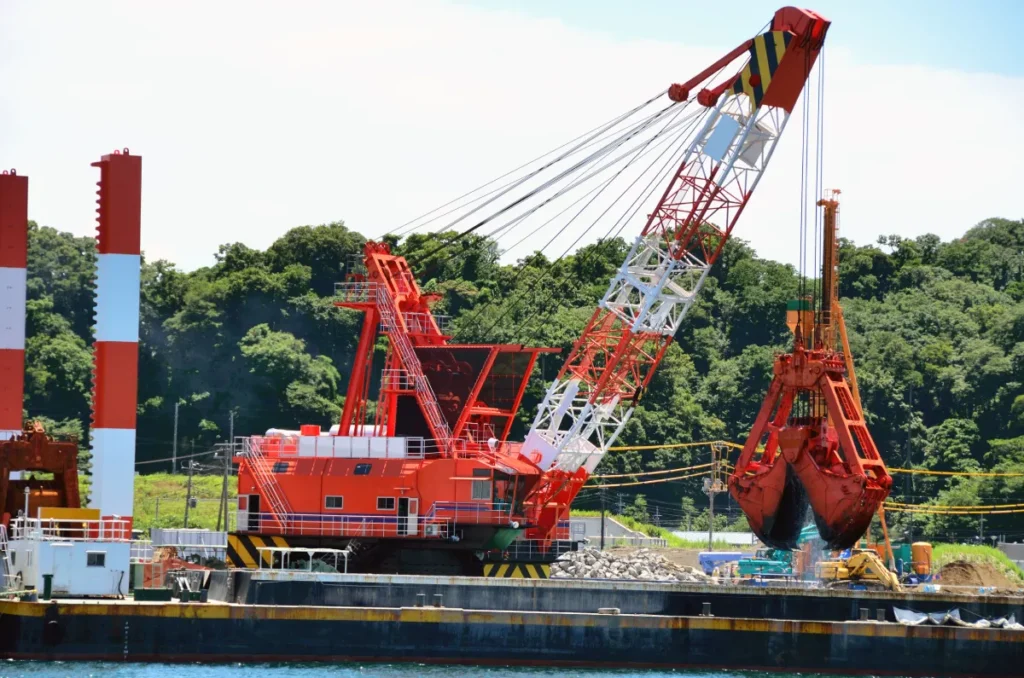
The shift toward electrification is rapidly reshaping dredge manufacturing services, as operators and governments push for cleaner, more efficient maritime operations. Where diesel-powered dredgers once dominated the industry, today’s leading dredging equipment manufacturers are developing electric, hybrid, and battery-assisted hydraulic systems that significantly reduce fuel consumption and environmental impact. This transition is no longer limited to large ports or government-backed projects—private contractors, mining operators, and coastal engineering firms are beginning to adopt these cleaner systems to stay competitive and compliant.
Electric and hybrid dredges use a combination of electric motors, diesel generators, and energy storage systems to power pumps, winches, and hydraulic drives. This allows dredging manufacturers to offer flexible power configurations based on site conditions and operational goals. Battery-backed systems store surplus energy during low-load operations and release it during peak power demand, improving efficiency and reducing wear on engines. In coastal or inland water projects where shore power is available, dredgers can operate almost entirely without burning fuel, making them ideal for long-duration maintenance dredging or urban waterway restoration.
Integration of renewable sources is another growing trend. Some modern dredging platforms now support power inputs from floating solar arrays, wind-powered charging stations, and hybrid generators equipped with energy recovery systems. These innovations help contractors reduce dependency on diesel logistics while cutting operational costs in remote or environmentally sensitive locations.
Beyond fuel savings, electrification delivers quieter operations, reduced vibrations, and lower emissions—crucial advantages when working near residential areas, protected marine habitats, or strict regulatory zones. Compliance with IMO Tier III, EU Stage V, and upcoming zero-emission port mandates is becoming a decisive factor when awarding dredging contracts, pushing more dredge manufacturers to invest in clean energy design and engineering.
Smart Automation, AI, and Remote Monitoring
Digital transformation is redefining the capabilities of modern dredge manufacturing services, with smart automation, artificial intelligence (AI), and remote monitoring technologies at the heart of this evolution. Instead of relying solely on operator judgment, today’s advanced dredging systems are equipped with AI-driven control platforms that enable real-time decision-making. These systems monitor sediment density, pump load, cutter torque, suction pressure, and flow rates to adjust dredging depth and pump speed for peak production automatically. GPS-guided dredging enables contractors to maintain precise dredge positioning and adhere to exact design profiles, thereby significantly reducing rework and material over-dredging.
For dredging equipment manufacturers, remote diagnostics and predictive maintenance have become standard offerings rather than optional upgrades. Embedded sensors in pumps, hydraulic circuits, engines, and slurry pipelines constantly transmit performance data to onshore monitoring systems or cloud-based dashboards. This enables maintenance teams to detect early warning signs such as cavitation, excessive vibration, or component wear—allowing repairs before a costly breakdown occurs. Predictive analytics not only reduces unplanned downtime but also extends the life of high-value components like impellers and bearings.
Automation is also decreasing the reliance on large onboard crews. Some dredging manufacturers are developing semi-autonomous or fully autonomous dredging units capable of operating with minimal human supervision. These systems can follow pre-programmed dredge routes, adjust to changing sediment conditions, and even self-dock for refuelling or battery charging. This is particularly valuable in hazardous or remote locations, where reducing the workforce enhances safety and lowers operational costs.
Industry leaders are now exploring AI-powered control rooms that can manage multiple dredgers, booster pumps, and barges from a single onshore centre. As automation continues to mature, future dredge projects will likely rely on integrated digital ecosystems that combine robotics, data intelligence, and remote operations—pushing the industry closer to fully autonomous dredging environments.

Advanced Materials and Wear-Resistant Engineering
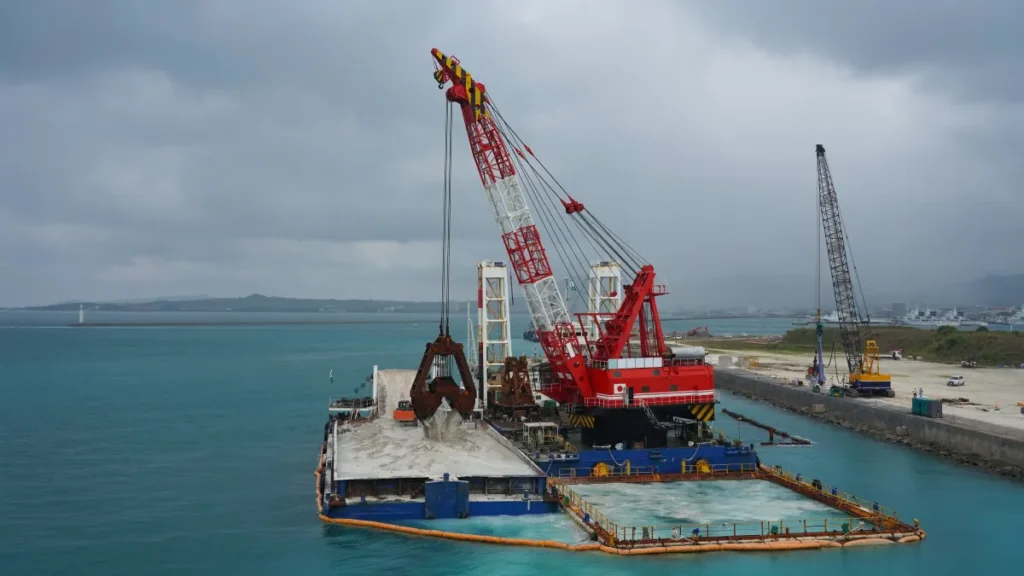
To meet the increasing demand for durability and lower lifecycle costs, dredge manufacturing services are evolving beyond traditional steel fabrication. Modern dredging operations face highly abrasive sediments, corrosive saltwater environments, and continuous run cycles, all of which accelerate equipment wear. In response, every leading dredging equipment manufacturer is investing in advanced materials that extend service life while reducing maintenance downtime.
High-chrome alloys, duplex stainless steel, manganese steel, and ceramic-coated impellers are becoming standard in high-wear areas like pump housings, cutter heads, suction plates, and elbows. Some manufacturers are also introducing composite liners and polymer-reinforced pipes to reduce weight while maintaining high resistance to abrasion and corrosion. This shift not only increases equipment longevity but also improves fuel efficiency by reducing overall dredger weight during mobilisation and operation.
Another major innovation is modular wear-part replacement. Rather than replacing the entire pump or cutter head, modern systems allow quick replacement of individual segments, such as wear rings, liners, and vanes. This approach is reshaping how dredging manufacturers deliver maintenance-friendly designs—ensuring faster repairs on-site, lower inventory requirements, and minimal project delays.
Additionally, many fabrication facilities are incorporating automated welding, plasma cutting, and robotic machining to ensure consistent precision in high-stress components. These manufacturing enhancements are not only improving performance but also minimising human error during production.
As environmental regulations push for cleaner operations, wear-resistant materials now also have to meet sustainability standards—recyclable metals, low-toxicity coatings, and eco-safe greases are becoming part of standard manufacturing protocols. This ongoing evolution in materials science is setting the stage for longer-lasting, more efficient dredging systems that can adapt to harsher environments and more demanding production targets.
Digital Twins and Virtual Prototyping in Design
The adoption of digital twin technology is rapidly transforming how dredge manufacturing services design, test, and optimise equipment before it reaches the field. A digital twin is a virtual replica of a dredger, pump system, or entire dredging operation that uses real-time data and simulation to mirror actual performance. Instead of relying solely on physical prototypes, forward-thinking dredging equipment manufacturers now use 3D modelling, computational fluid dynamics (CFD), and virtual stress testing to validate designs with far greater precision.
With virtual prototyping, manufacturers can test pump flow rates, evaluate sediment handling efficiency, simulate cavitation risks, and even predict structural stress under various operating conditions. This allows engineers to optimise cutter head geometry, slurry channel design, and pontoon buoyancy long before fabrication begins. It also reduces costs and accelerates product development cycles by eliminating multiple rounds of physical prototyping and re-engineering.
Digital twins extend beyond manufacturing into real-time operational monitoring. Once deployed, sensors on pumps, engines, hydraulic systems, and pipeline networks feed performance data into the digital twin, allowing operators and dredging manufacturers to analyse trends, forecast failures, and adjust settings remotely. For contractors, this means more predictable project timelines and fewer unexpected shutdowns.
Another key advantage is customer collaboration. Many dredging manufacturers now involve clients during the early design phase by sharing interactive 3D models, allowing them to suggest modifications to layout, access points, walkways, control panels, and equipment placement. This collaborative approach minimises design errors and ensures that the final product fits site requirements, crew preferences, and safety standards.
As these technologies continue to evolve, future digital twins may integrate AI-driven testing, cloud-based simulations, and augmented reality overlays for operator training and maintenance guidance—further connecting design, manufacturing, and operations in one continuous digital ecosystem.
Sustainability and Circular Manufacturing Practices
Sustainability is no longer an optional feature in dredge manufacturing services—it is becoming a core expectation from clients, regulatory bodies, and environmental authorities across the globe. As ports, mining companies, and marine contractors face stricter environmental standards, every dredging equipment manufacturer is under pressure to reduce emissions, waste, and the overall carbon footprint of their production and operations.
One of the biggest shifts is the adoption of circular manufacturing principles. Instead of building entirely new dredging systems for every project, many dredging manufacturers now offer refurbishment, component rebuilding, and life extension programs. Pump casings, suction heads, cutter drives, and pontoons are being restored, re-engineered, and upgraded rather than discarded, helping clients reduce capital expenditure and environmental waste. This shift not only supports sustainability goals but also makes long-term maintenance more economical for contractors.
Environmentally responsible manufacturing practices are also gaining traction, including the use of recyclable metals, low-emission coatings, biodegradable hydraulic oils, and energy-efficient fabrication processes. Solar or hybrid energy systems power some manufacturing facilities to reduce their dependence on fossil fuels. Additionally, water used in pump testing and hydraulic systems is increasingly being treated and recycled instead of being discharged.
Compliance with environmental regulations, including ISO 14001, IMO emission standards, EU Green Deal requirements, and Tier 4 or Stage V engine norms, is now a competitive advantage. Dredging contractors prefer equipment that aligns with future regulatory changes rather than requiring costly retrofits later. This is shifting the market toward electric drives, low-nitrogen oxide (NOx) engines, dust-free material handling, and turbidity-controlled dredging technology.
The sustainability movement extends beyond manufacturing to operational decision-making. Many dredge manufacturing services now include consultancy on eco-friendly dredging methods, sediment reuse applications, and reduced-impact discharge techniques. As environmental expectations continue to rise, the future of the industry will be defined by those manufacturers who successfully align engineering excellence with ecological responsibility.
On-Site Assembly, Training, and Global Support as a Service
As dredging projects become more geographically diverse and complex, dredge manufacturing services are evolving far beyond equipment delivery. Today, leading dredging equipment manufacturers are offering comprehensive on-site assembly, commissioning, operator training, and lifecycle support as part of an end-to-end service model. This shift is helping contractors reduce downtime, avoid installation errors, and rapidly mobilise projects even in remote or undeveloped locations.
On-site assembly services include deploying technical teams to install modular pontoons, connect hydraulic systems, calibrate pump units, set up control cabins, and integrate GPS or automation software. Instead of shipping fully built dredgers, manufacturers now deliver disassembled or containerised components that can be quickly assembled at the project site using locally available lifting equipment. This approach reduces transportation costs, customs delays, and allows equipment to be deployed at inland water bodies, mining pits, or island locations where shipyard access is limited.
Training has also become a key part of modern dredge manufacturing services. Manufacturers are conducting operator training using virtual reality (VR) simulators, remote video sessions, and interactive digital manuals. These programs teach operators how to manage pump performance, avoid cavitation, monitor sediment concentration, and handle common troubleshooting scenarios. In many cases, training extends beyond equipment handling to cover safety protocols, productivity optimisation, and basic maintenance skills.
Remote support and diagnostics are now standard offerings. Sensor-based systems allow manufacturers to monitor equipment performance from control centres and provide predictive maintenance alerts, troubleshooting assistance, and software updates in real time. This reduces the need for on-site engineers and ensures projects remain operational with minimal disruption.
Furthermore, the industry is moving towards “dredging-as-a-service,” where contractors can lease equipment with operator support, maintenance packages, and performance monitoring included. Rather than purchasing assets outright, clients can scale up or down based on project demand, making this model especially attractive for seasonal or short-term dredging needs.
As global projects become more complex, the role of dredging manufacturers will increasingly shift from equipment suppliers to long-term service partners, setting the stage for the next wave of innovation in project support and operational efficiency.
Integrated Dredge Ecosystems: Pumps, Barges, Robotics, and Automation
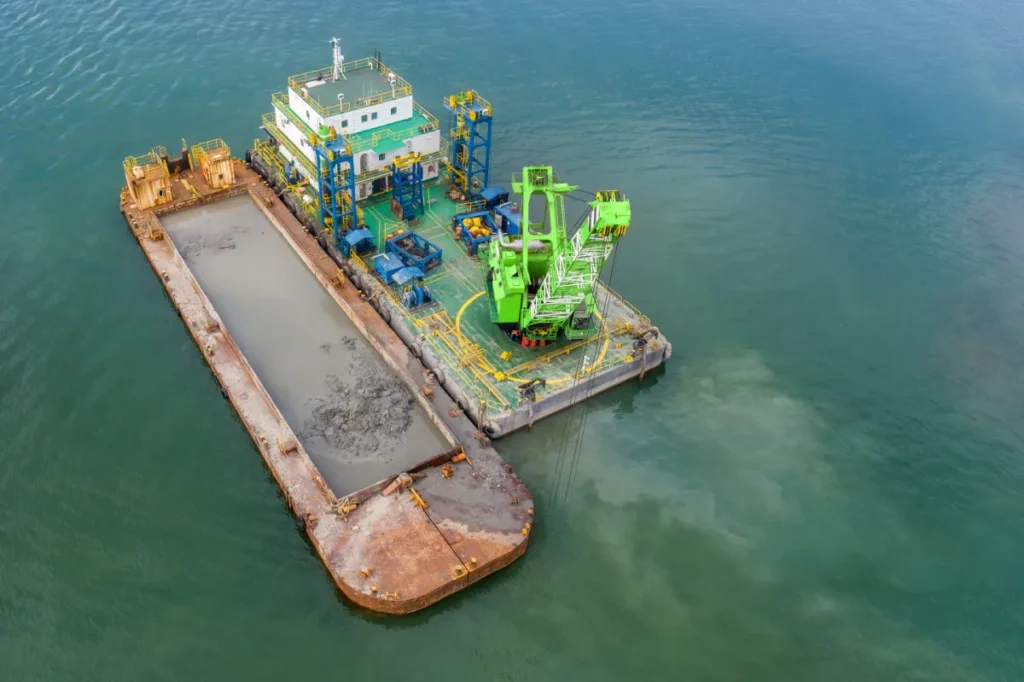
The demand for integrated dredging solutions is increasing as contractors prefer complete ecosystems over standalone components. Instead of sourcing pumps from one company, barges from another, and automation systems from a third, many clients now prefer turnkey packages delivered by a single dredging equipment manufacturer or a strategic partnership. These integrated solutions often include a primary dredge pump, booster stations, modular barges, slurry pipelines, control cabins, and real-time monitoring software—ensuring seamless compatibility and reduced setup time.
This shift has encouraged greater collaboration between dredge manufacturing services, barge designers, robotics firms, and automation providers. Autonomous survey drones, robotic slurry control valves, remote-operated dredging arms, and AI-based navigation are being embedded into complete dredge platforms. Manufacturers are also standardising connection systems, power distribution modules, and communication protocols to allow multi-vessel coordination. Future-ready control systems now enable centralised monitoring of dredgers, booster barges, sediment pipelines, and support vessels from a single interface—optimising fuel use, sediment loading, and positioning accuracy.
Government Policies, Funding, and Localization Requirements
Government regulations are playing a decisive role in shaping the future of dredge manufacturing services. In the United States, the Jones Act mandates that vessels operating between U.S. ports must be built and owned domestically. This has encouraged new investments in local dredging yards and fabrication facilities. Meanwhile, the EU Green Ports Initiative is pushing for low-emission dredging technologies, electric-driven dredgers, and environmentally compliant sediment disposal practices—forcing every dredging equipment manufacturer to redesign products in line with sustainability regulations.
In regions like the Middle East and Southeast Asia, large-scale port expansions, artificial island developments, and offshore infrastructure projects are backed by state funding. These governments are also enforcing localisation requirements to boost national manufacturing capabilities. As a result, dredging manufacturers are setting up regional assembly facilities, licensing agreements, and joint ventures to meet domestic production quotas.
To support innovation, several countries are offering tax benefits, subsidies, and research grants for cleaner propulsion systems, automation technologies, and digital twin integration. Manufacturers that align with these policies not only gain regulatory approval faster but also secure long-term government contracts and funding support.
Challenges Facing the Industry in 2025
While innovation continues, the dredging sector is not without challenges. One of the most pressing issues is the shortage of skilled labour in fabrication, advanced welding, PLC programming, hydraulics, and marine automation. As dredging equipment becomes more digital and sensor-driven, manufacturers are struggling to find technicians who can bridge mechanical and software disciplines.
High capital expenditure is another barrier. Transitioning to electric or hybrid propulsion, installing AI-driven control systems, and upgrading to automation-ready dredge platforms require significant investment. Many small and mid-sized contractors continue to rely on diesel-hydraulic systems due to their lower upfront costs, despite higher operational expenses in the long run.
Supply chain disruptions are also affecting dredging equipment manufacturers. Prices for high-strength steel, duplex stainless components, hydraulic seals, engines, and microchips have fluctuated due to global logistics constraints and geopolitical tensions. Delays in shipments can directly affect production timelines, pushing manufacturers to stock critical components or explore local alternatives.
What the Future Holds: Vision for 2030 and Beyond
By 2030, the industry will be shaped by three major shifts—autonomy, sustainability, and service-based models. Fully autonomous dredging fleets equipped with AI navigation, real-time sonar mapping, and remote-controlled booster stations are already being tested. These systems will reduce human presence on board and enable round-the-clock dredging with fewer interruptions.
Carbon-neutral dredging is another emerging reality. Hydrogen fuel cells, offshore wind-charged battery banks, biofuels, and ammonia-powered engines are being explored by top dredging manufacturers to meet zero-emission targets. Ports and mining operators are expected to prefer equipment that meets future regulatory standards rather than short-term compliance.
Finally, the business model of dredge manufacturing services will move beyond machinery sales toward lifecycle partnerships. Instead of just building equipment, manufacturers will offer long-term support—covering installation, fleet monitoring, software updates, part replacement, and performance optimisation. This will transform the role of a dredging equipment manufacturer from a supplier to a strategic project partner.
Conclusion: Why Innovation is No Longer Optional
The future of dredge manufacturing services lies in innovation, adaptability, and long-term partnership. From integrated dredge ecosystems and autonomous fleets to hydrogen-powered propulsion and circular refurbishment models, the industry is evolving beyond traditional machinery into comprehensive, service-driven solutions. Contractors and project owners who align with future-ready dredging manufacturers will benefit from higher efficiency, reduced operational risks, and better compliance with global environmental standards. At NY Dredge, we are committed to supporting this transition by delivering advanced dredging solutions, engineered systems, and expert guidance tailored to modern challenges. As the industry moves forward, we invite you to partner with us in shaping smarter, cleaner, and more resilient dredging operations for the years ahead.