
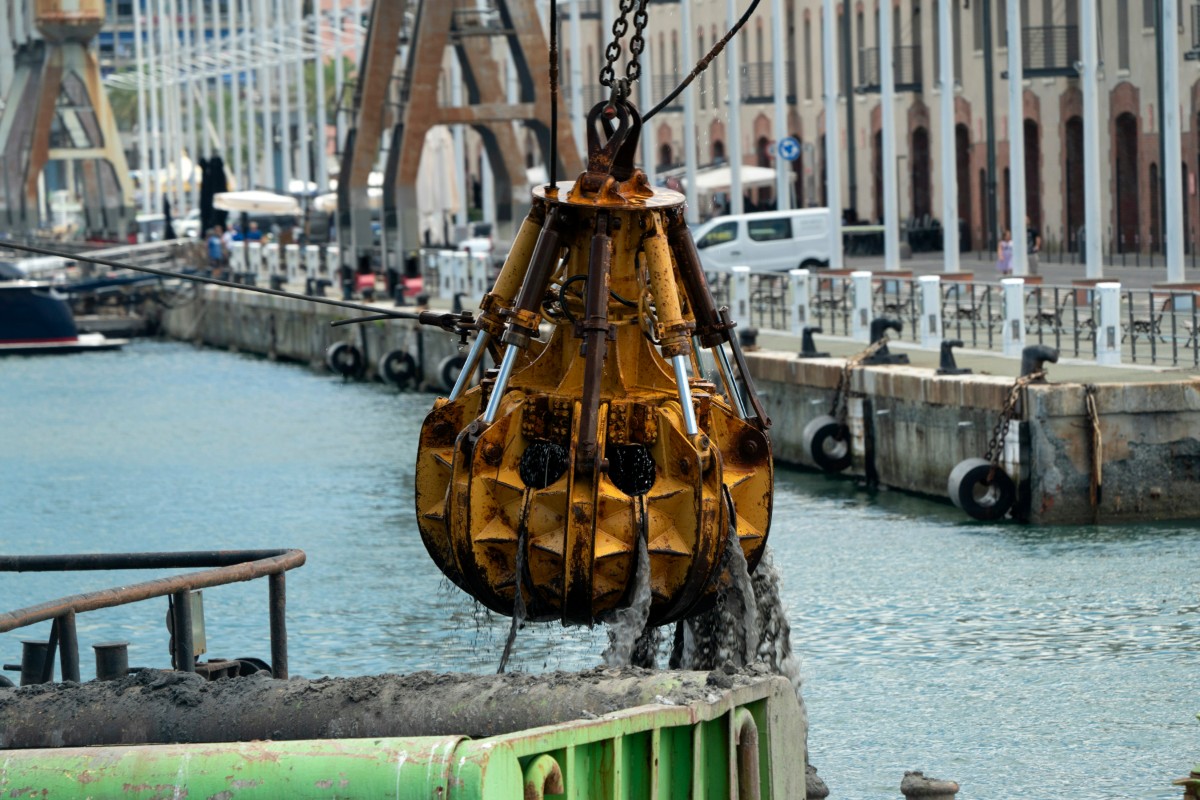
Maintenance is essential to keep sand dredging equipment operating efficiently and reliably in challenging environments. Each component —from the cutter head and sand pump to the hydraulic lines and discharge pipeline —is constantly exposed to abrasive materials, fluctuating water pressure, and corrosive elements. Without regular upkeep, these factors can quickly cause wear that reduces suction efficiency, increases fuel consumption, and leads to costly downtime.
A proactive maintenance approach helps avoid these issues by catching small problems before they develop into major equipment failures. Routine inspections, cleaning, and timely replacement of worn parts improve energy efficiency, extend the life of the machinery, and maintain consistent performance. When sand dredging equipment is properly maintained, all systems work together smoothly, reducing strain on mechanical and hydraulic components. Understanding how maintenance supports long-term reliability allows operators to maintain higher productivity, lower repair costs, and achieve stable results across demanding dredging projects.
Understanding the Core Components of Sand Dredging Equipment
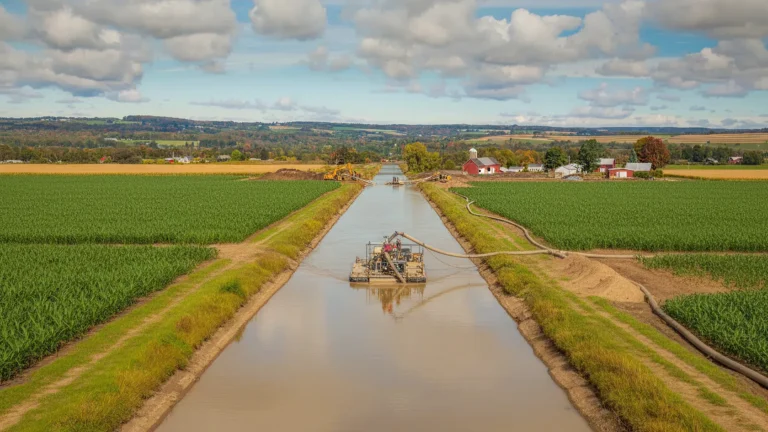
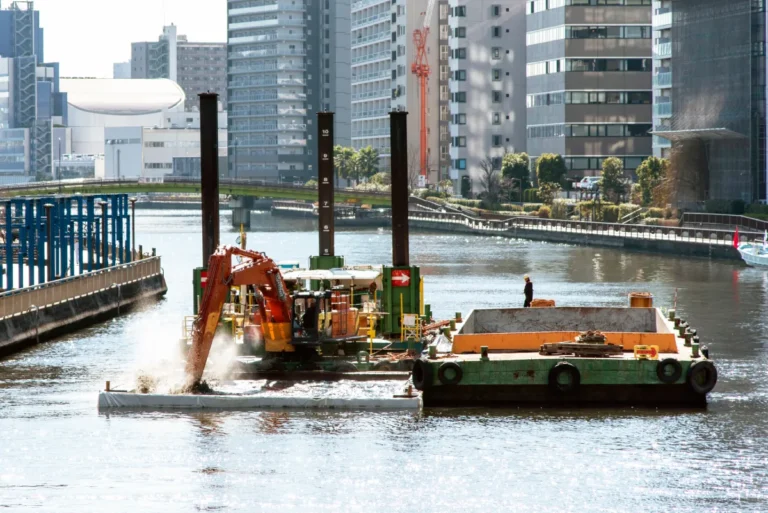
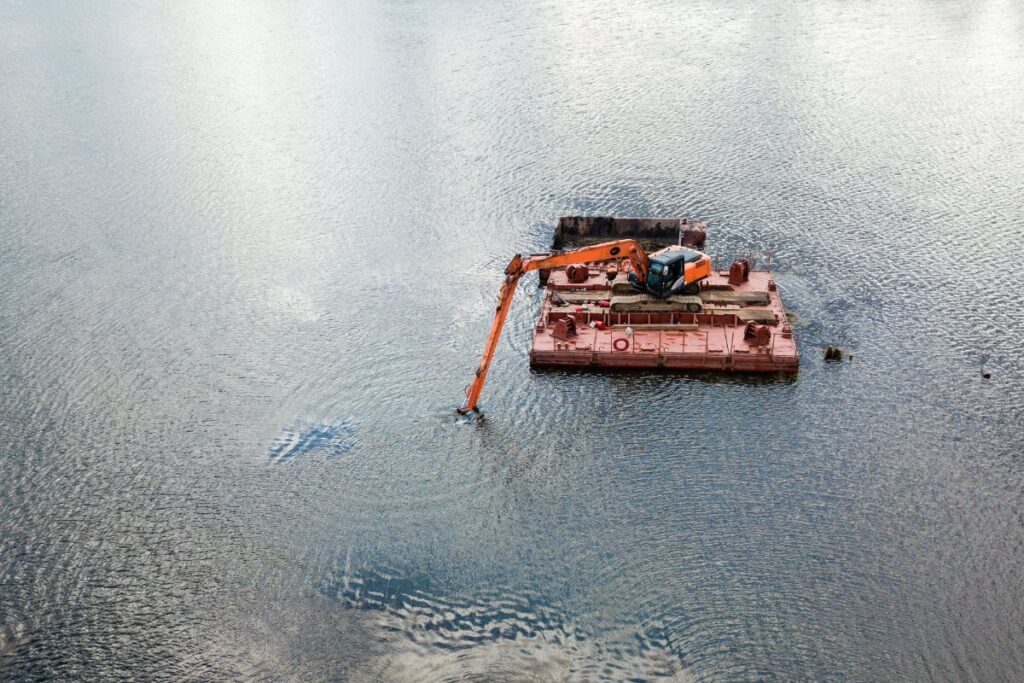
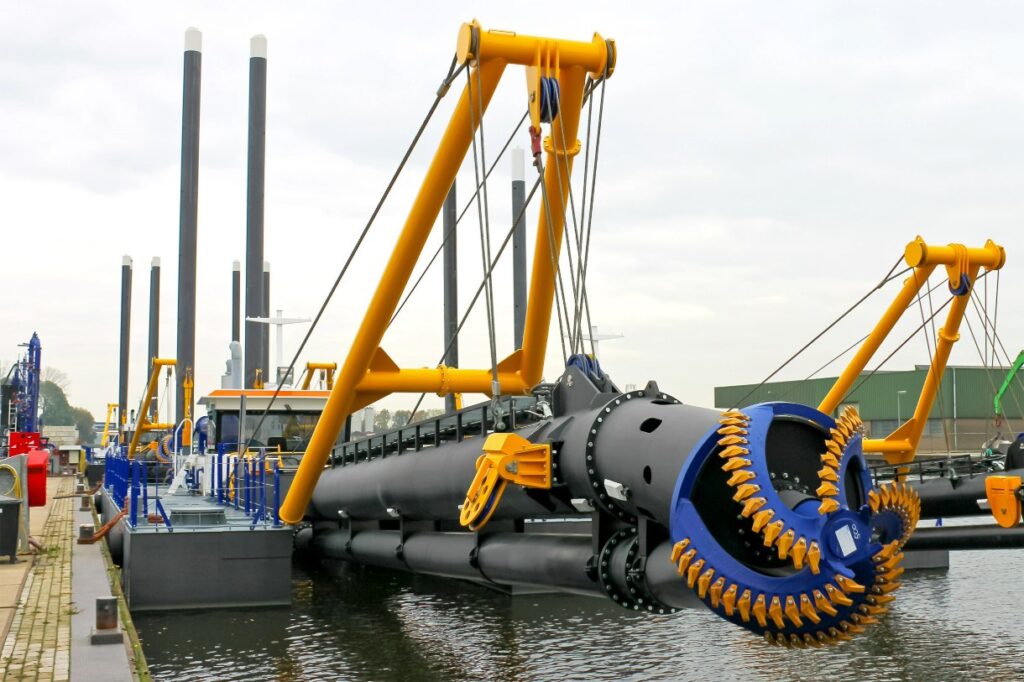
Understanding the core components of sand dredging equipment is essential to maintaining efficiency and reducing operational downtime. Each system within a dredge plays a distinct role in ensuring that sand is excavated, transported, and discharged effectively. The cutter head serves as the first point of contact with the seabed or riverbed, loosening compacted sand and sediments for suction. Connected to it is the suction line, which draws the loosened material into the sand pump —the heart of the dredging system. The sand pump generates the suction and pressure needed to move large volumes of abrasive slurry through the discharge pipeline, which carries the mixture to the designated disposal or reclamation area. Powering these systems is the main power unit, typically diesel, electric, or hydraulic, which supplies the energy required for sustained dredging operations.
In sand operations, efficiency depends on how well each component performs under continuous load. The suction line and pump housing are often the most worn components due to the abrasive nature of sand, leading to erosion, cavitation, and seal degradation. Similarly, cutter heads are prone to blade dulling and mechanical fatigue when exposed to coarse aggregates or prolonged operation in compacted layers for prolonged periods. Regular monitoring of these parts and timely replacement of wear components can significantly extend equipment lifespan and prevent unexpected shutdowns. Understanding the stress points in dredging sand equipment and addressing them proactively ensures consistent flow rates, reduced energy consumption, and improved overall dredging performance.
Preventive Maintenance Routines for Sand Pumps and Hydraulic Systems
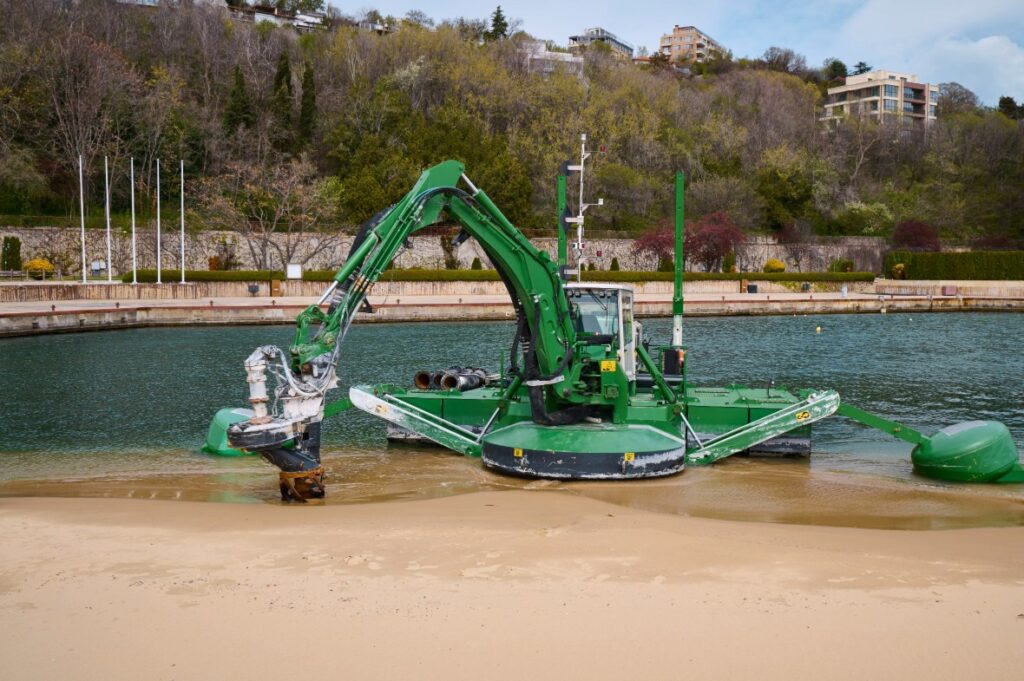
Preventive maintenance is one of the most critical aspects of ensuring reliable operation and long-term efficiency in sand dredging equipment. Since sand pumps and hydraulic systems are constantly exposed to abrasive particles and high pressure, establishing a structured maintenance schedule helps prevent costly failures. Daily inspections should include checking seals, impellers, and suction hoses for wear, as even small leaks or cracks can cause suction loss and pressure imbalance. Monitoring discharge pressure and flow rates can reveal early signs of impeller damage or pipeline blockage. Hydraulic systems that power critical components such as winches, cutter heads, and swing arms require regular fluid level checks, filter replacements, and leak detection to maintain consistent performance.
Lubrication also plays a key role in reducing friction and heat buildup in bearings, joints, and moving parts. Using manufacturer-recommended lubricants and maintaining proper intervals can prevent premature wear. Regularly testing the hydraulic fluid for contamination or viscosity loss ensures smooth equipment response under heavy load. In addition, operators should periodically inspect flexible hoses and fittings to avoid hydraulic pressure loss or accidental bursts during operation. By following a disciplined maintenance routine tailored to dredging sand equipment, operators can minimize downtime, maintain optimal sand pump efficiency, and extend overall system life.
Cleaning and Corrosion Control for Prolonged Equipment Life
Cleaning and corrosion control are vital for extending the lifespan of sand dredging equipment and maintaining consistent performance in harsh marine or river environments. Continuous exposure to sand, silt, and saltwater accelerates wear on metal surfaces, pump casings, and pipelines. After every dredging operation, equipment should be thoroughly flushed with clean water to remove abrasive residues inside the suction and discharge lines. Regular cleaning prevents sediment buildup that can cause blockages or reduce flow efficiency over time. Sand pumps and cutter heads benefit from rinsing and mechanical brushing to eliminate hardened deposits that can strain moving components.
Corrosion control involves applying protective coatings, inspecting for rust, and using anodes in saltwater applications. Anti-corrosive paint or epoxy layers on pump housings and barge structures create a barrier against moisture and chemical reactions. Operators should also check bolts, seals, and couplings for oxidation or pitting, as even small corrosion spots can spread quickly under constant pressure. Using stainless steel or hardened alloys for high-wear parts further enhances resistance against abrasive and chemical damage. Consistent cleaning and protective maintenance ensure that dredging sand equipment remains efficient, reduces long-term repair costs, and remains ready for continuous use across demanding dredging projects.
Optimizing Performance Through Regular Calibration and Alignment
Optimizing performance through regular calibration and alignment is essential to keep sand dredging equipment operating at peak efficiency. Over time, vibration, uneven load distribution, and continuous handling of abrasive slurry can cause misalignment in pumps, shafts, and couplings. Even minor deviations can lead to excessive wear, reduced flow output, and higher energy consumption. Routine calibration helps maintain balance between components such as the cutter head, sand pump, and power transmission systems, ensuring smooth operation and consistent dredging output.
Proper alignment of rotating parts, such as impellers and drive shafts, prevents vibration and cavitation, two common issues that significantly shorten equipment life. Using laser alignment tools or dial indicators enables technicians to detect and correct misalignments before they cause mechanical damage. Bearings, seals, and coupling interfaces should be inspected during each maintenance cycle to verify proper seating and lubrication. Regular testing of discharge pressure and pump speed also helps identify early performance drops caused by misalignment or imbalance. Maintaining calibration across all key systems not only improves dredging precision but also reduces mechanical stress, minimizes fuel consumption, and enhances the overall productivity of dredging sand equipment.
Upgrading Components and Monitoring Systems
Upgrading components and integrating monitoring systems can greatly improve the reliability and performance of sand dredging equipment. Over time, even the most durable parts, such as impellers, liners, and cutter heads, experience wear from constant contact with abrasive sand and slurry. Replacing these parts before they fail ensures consistent flow and pressure throughout the dredging process. Modern replacement components are often made from high-chrome alloys or composite materials that offer better resistance to erosion and corrosion. Upgrading the sand pump or modifying its impeller design can also increase efficiency and reduce power consumption, especially in high-solid applications.
In addition to mechanical upgrades, digital monitoring systems have become a key part of maintaining dredging sand equipment. These systems track parameters such as suction pressure, pump speed, vibration, and motor temperature in real time. When integrated with automated alerts or dashboards, they allow operators to detect performance drops before they escalate into failures. Predictive maintenance tools can analyze data trends and recommend service intervals based on actual operating conditions rather than fixed schedules. By combining physical component upgrades with advanced monitoring, operators can extend equipment life, reduce downtime, and maintain peak dredging productivity across varying site conditions.
Training and Safety Protocols for Maintenance Crews
Training and safety protocols are crucial in ensuring that maintenance crews handle sand dredging equipment correctly and efficiently. Well-trained technicians can identify mechanical issues early, interpret warning signs from pumps or hydraulic systems, and take corrective action before serious failures occur. Maintenance teams should be familiar with each component’s function, from the cutter head and suction lines to the sand pump and power unit. Regular training sessions on inspection techniques, equipment calibration, and safety practices help reduce human error and improve operational consistency.

Safety during maintenance is equally important, particularly when dealing with high-pressure hydraulic systems or rotating equipment. Crews must follow proper lockout/tagout procedures to prevent accidental start-up during pump or motor service. Using personal protective equipment such as gloves, eye shields, and steel-toed boots is mandatory in dredging environments. Operators should also be trained in spill prevention, confined-space safety, and emergency response related to hydraulic leaks or electrical faults. Keeping accurate maintenance logs and inspection reports supports accountability and helps track recurring issues over time. When maintenance teams combine technical skill with strong safety awareness, the overall performance and reliability of dredging sand equipment remain high even in demanding conditions.
Conclusion: Sustaining Productivity Through Smart Maintenance
Sustaining productivity in sand dredging operations depends on consistent, well-planned maintenance practices. Regular inspection, cleaning, and calibration of sand pumps, suction lines, and hydraulic systems maintain consistent performance and prevent costly breakdowns. By following preventive routines and upgrading components as needed, operators can maintain optimal efficiency, reduce fuel use, and extend equipment lifespan.
At NY Dredge, we help contractors and dredging teams get the most from their equipment through reliable maintenance guidance, quality sand pumps, and complete dredging support solutions. Our goal is to keep your operations running smoothly and efficiently from start to finish. Reach out to us to learn how we can support your next sand dredging project with durable, well-engineered equipment and expert service.